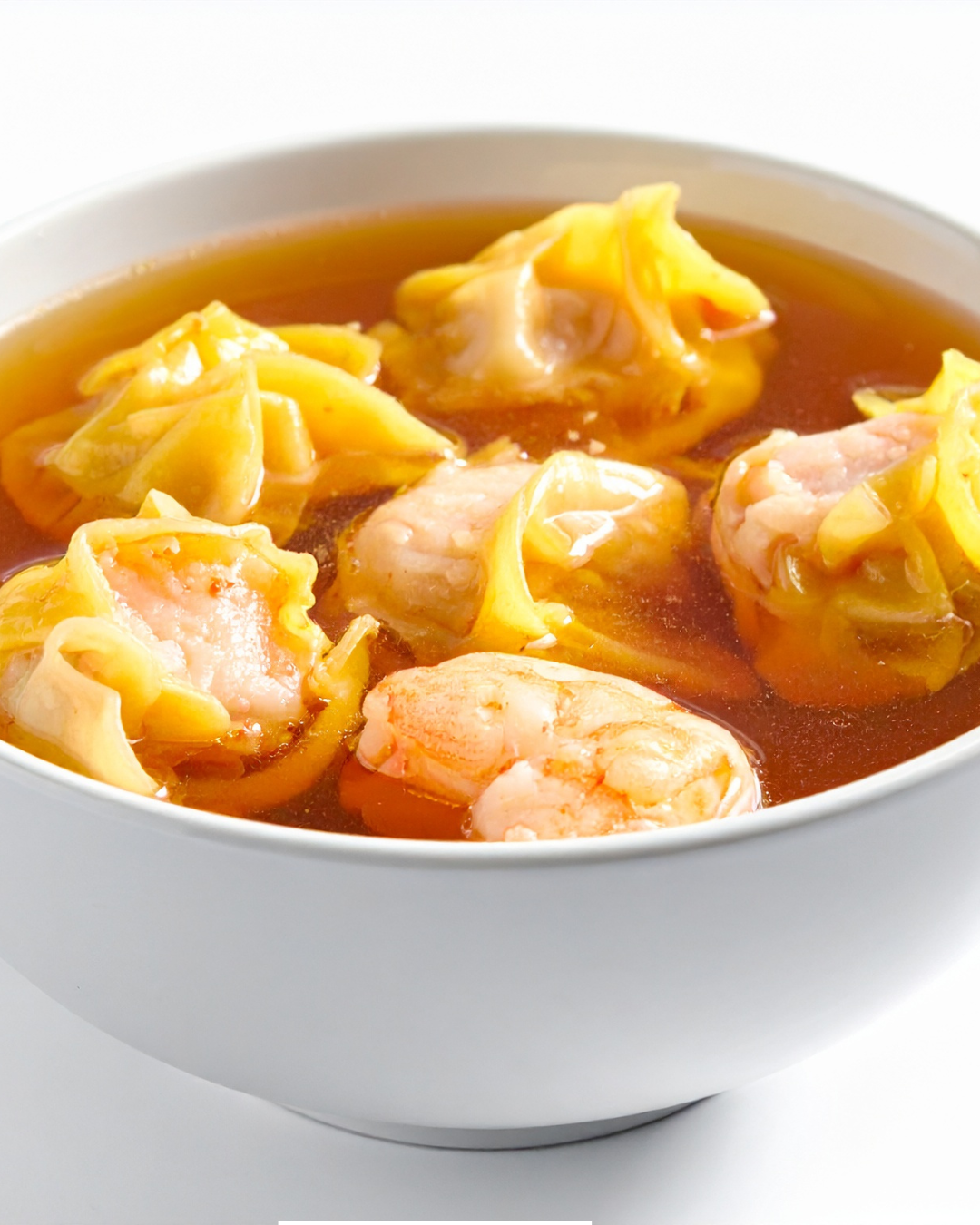
If you’ve had the pleasure of trying Bibigo soup dumplings, you know just what I mean. Their delectable dumplings transport you straight to the bustling markets of Seoul with every bite.
Table of Contents
How to make Bibigo soup dumplings
Bibigo Soup Dumplings are a type of frozen dumpling made by Bibigo, a popular Korean food brand. They’re inspired by traditional Asian soup dumplings (like Chinese xiao long bao) and are known for having a juicy filling that releases broth when you bite into them.
Ingredients
For the Soup Gelatin (Soup Filling)
The “soup” inside a soup dumpling comes from gelatin cubes that melt during steaming. Here’s what you need:
- 2 cups chicken broth (or pork broth for richer flavor)
- 1 tablespoon soy sauce
- 1 tablespoon rice wine (e.g., mirin or sake)
- 1/2 teaspoon sesame oil
- 1/2 teaspoon sugar
- 1 tablespoon unflavored gelatin powder (available in most grocery stores; agar-agar works as a vegetarian alternative)
For the Dumpling Filling
The filling is where you’ll pack in the flavor. Here’s a simple version inspired by Bibigo’s savory, slightly sweet Korean taste:
- 1 pound ground pork (substitute with ground chicken or shrimp, if desired)
- 1/4 cup finely chopped napa cabbage (or kimchi for a spicy kick)
- 2 green onions, finely chopped
- 1 tablespoon ginger, minced
- 2 cloves garlic, minced
- 2 tablespoons soy sauce
- 1 tablespoon sesame oil
- 1 tablespoon rice vinegar
- 1 teaspoon sugar
- 1/2 teaspoon black pepper
- 1 tablespoon cornstarch (this helps bind everything together)
For the Dumpling Wrappers
- 2 cups all-purpose flour
- 1/2 cup boiling water
- 1/4 teaspoon salt
For Dipping Sauce
- 2 tablespoons soy sauce
- 1 tablespoon vinegar (black vinegar or rice vinegar)
- 1 teaspoon chili oil (optional)
- Sliced green onions or sesame seeds for garnish
Instructions
Step 1: Prepare the Soup Gelatin
- Heat the broth: In a saucepan, bring the chicken or pork broth to a simmer over medium heat.
- Season the broth: Add soy sauce, rice wine, sesame oil, and sugar. Stir until everything is dissolved and balanced in flavor—taste it at this stage.
- Dissolve gelatin: Sprinkle the gelatin into the hot broth and stir well until completely dissolved.
- Chill and set: Pour the mixture into a shallow dish and refrigerate for about 1–2 hours, or until it sets into a firm gel.
- Dice into cubes: Once set, chop the gelatin into small cubes (about 1/4-inch pieces). These will form the “soup” inside your dumplings.
Step 2: Make the Dumpling Filling
- In a large mixing bowl, combine ground pork, napa cabbage (or kimchi), green onions, ginger, and garlic.
- Add soy sauce, sesame oil, rice vinegar, sugar, black pepper, and cornstarch.
- Mix the ingredients thoroughly until fully incorporated, ensuring the mixture is sticky and well-combined.
- Gently fold in the gelatin cubes. Cover the mixture and refrigerate while you prepare the wrappers.
Step 3: Make the Dumpling Wrappers (Skip this if using store-bought wrappers)
- In a bowl, combine all-purpose flour and salt. Gradually pour in boiling water while stirring with chopsticks or a spatula. Mix until crumbly.
- Knead the dough: Transfer to a lightly floured surface and knead for about 10 minutes until smooth and elastic.
- Let the dough rest: Cover the dough with a damp cloth or plastic wrap and let it rest for 30 minutes.
- Roll and cut: Roll the dough into a thin sheet and use a round cutter (3–4 inches in diameter) to make circle-shaped wrappers.
Step 4: Assemble the Dumplings
- Lay a dumpling wrapper on a clean surface and place 1–2 teaspoons of the filling (including a few gelatin cubes) in the center.
- Wet the edges of the wrapper with water to help it seal.
- Pleat the wrapper carefully around the filling to form a small pouch. Pinch tightly at the top to seal fully (no gaps or the soup will leak out during steaming!).
- Repeat until all the fillings and wrappers are used.
Step 5: Steam the Dumplings
- Line your steamer basket with parchment paper (or cabbage leaves) to prevent the Bibigo Soup Dumplings from sticking.
- Arrange the dumplings in the basket, leaving room between each one to expand.
- Bring a pot of water to a boil and place the steamer over the pot. Steam the dumplings for about 8–10 minutes, or until fully cooked.
- Serve hot with your prepared dipping sauce.
Tips for Success
- Don’t skip the gelatin: This is essential for the “soup” filling. The gelatin melts as it steams, creating the signature soup inside your dumpling.
- Seal properly: Make sure the dumplings are sealed tightly to avoid any leaking during steaming. Gaps can ruin the dish!
- Test one dumpling first: Steam one dumpling on its own to check if the dough, soup, and filling are all balanced. Adjust seasoning if needed before continuing with the rest.
- Freeze extras: Place uncooked dumplings on a tray and freeze individually. Once frozen, transfer to a freezer-safe bag. Cook directly from frozen (just add a few extra minutes to the steaming time).
- Flavor adjustments: Feel free to tweak the filling by adding chili flakes, using a different protein, or substituting kimchi for napa cabbage for a spicy Korean twist.
Ingredients Substitutes
We’ve broken down each ingredient used in Bibigo soup dumplings and provided substitutes for dietary preferences, availability issues, or creative twists.
1. Soup Gelatin Substitutes
The soup gelatin is essential for creating the juicy broth inside the Bibigo Soup Dumplings. Here are some ways to modify or substitute:
Broth
Original: Chicken or pork broth
Substitutes:
- Vegetarian Option: Vegetable broth works perfectly for plant-based dumplings. To deepen the flavor, roast or sauté some vegetables (onion, carrot, celery) before making the broth.
- Seafood Option: Use fish stock or dashi, a Japanese stock made from kombu (seaweed) and bonito flakes, for a lighter yet flavorful liquid.
- Shortcut: Use high-quality store-bought broth or bouillon cubes dissolved in water.
Gelatin (for solidifying soup)
Original: Unflavored gelatin powder
Substitutes:
- Vegetarian Substitute: Agar-agar powder (derived from algae) is an excellent plant-based alternative. However, it sets firmer than gelatin, so adjust the amount slightly.
- Cornstarch Slurry Shortcut: If you don’t have gelatin or agar-agar, you can thicken the broth with cornstarch. While it won’t create distinct gelatin cubes, it can still add a juicy texture when mixed into the filling.
2. Dumpling Filling Substitutes
The main filling ingredients can be swapped depending on your dietary preferences or what you have on hand.
Protein
Original: Ground pork (classic choice for soup dumplings)
Substitutes:
- Ground Chicken or Turkey: If you want a leaner meat option, ground chicken or turkey works well. While less fatty, you can add a splash of sesame oil for richness.
- Shrimp: Minced fresh shrimp can be used alone or mixed with pork. It adds a slightly sweet and delicate flavor, ideal for seafood lovers.
- Plant-Based Substitute: Use finely crumbled tofu or plant-based “ground meat” (like Beyond Meat or Impossible Meat). Add mushrooms for extra flavor and moisture.
Napa Cabbage
Original: Finely chopped napa cabbage (adds moisture and texture to the filling)
Substitutes:
- Kimchi: For a spicy and tangy kick, replace napa cabbage with chopped kimchi. Make sure to squeeze out excess liquid before adding it to the filling.
- Regular Cabbage: Green or savoy cabbage is a great substitute for napa if it’s unavailable. It has a slightly coarser flavor but works well when chopped finely.
- Zucchini or Bok Choy: Finely chopped zucchini or bok choy can be used for added softness and moisture.
Soy Sauce
Original: Soy sauce for seasoning the filling
Substitutes:
- Tamari: Ideal for gluten-free diets; tamari has a similar taste to soy sauce but is made without wheat.
- Coconut Aminos: A slightly sweeter, milder alternative that’s soy-free and paleo-friendly.
- Liquid Aminos: Another soy-free option that delivers a savory, umami-packed flavor.
Sesame Oil
Original: Toasted sesame oil (adds nutty richness to the dumpling filling)
Substitutes:
- Neutral Oils: While you’ll miss the nutty flavor, olive oil, avocado oil, or sunflower oil can work in a pinch for moisture.
- Peanut Oil: For a nutty alternative, peanut oil delivers a deeper flavor (not recommended for those with allergies).
Rice Vinegar
Original: Rice vinegar (lightly tangy flavor enhancer)
Substitutes:
- Apple Cider Vinegar: A good alternative with similar acidity and a mild sweetness.
- White Vinegar: Use this as a last resort, but dilute it slightly with water to reduce harshness.
- Lemon Juice: Adds brightness and acidity, though it’s citrusy rather than earthy.
Final Thoughts
Bibigo soup dumplings are incredibly versatile and pair beautifully with a wide variety of sides, soups, and drinks.
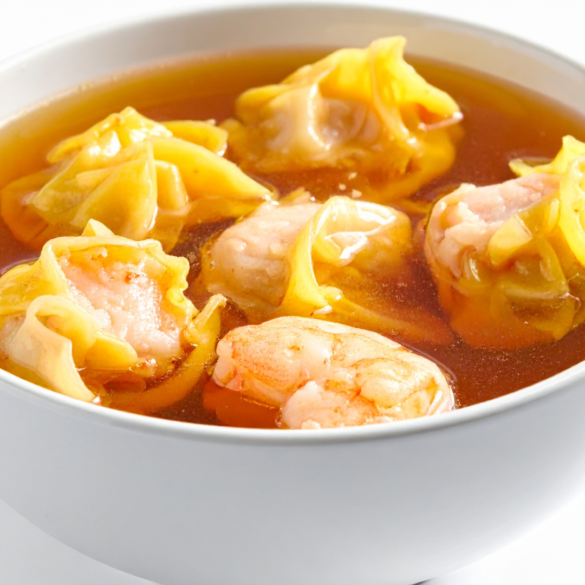
Ingredients
For the Soup Gelatin (Soup Filling)
- 2 cups chicken broth
- 1 tablespoon soy sauce
- 1 tablespoon rice wine
- 1/2 teaspoon sesame oil
- 1/2 teaspoon sugar
- 1 tablespoon unflavored gelatin powder
For the Dumpling Filling
- 1 pound ground pork
- 1/4 cup finely chopped napa cabbage
- 2 green onions, finely chopped
- 1 tablespoon ginger, minced
- 2 cloves garlic, minced
- 2 tablespoons soy sauce
- 1 tablespoon sesame oil
- 1 tablespoon rice vinegar
- 1 teaspoon sugar
- 1/2 teaspoon black pepper
- 1 tablespoon cornstarch
For the Dumpling Wrappers
- 2 cups all-purpose flour
- 1/2 cup boiling water
- 1/4 teaspoon salt
For Dipping Sauce
- 2 tablespoons soy sauce
- 1 tablespoon vinegar
- 1 teaspoon chili oil (optional)
- Sliced green onions
Instructions
Step 1: Prepare the Soup Gelatin
- Heat the broth: In a saucepan, bring the chicken or pork broth to a simmer over medium heat.
- Season the broth: Add soy sauce, rice wine, sesame oil, and sugar. Stir until everything is dissolved and balanced in flavor—taste it at this stage.
- Dissolve gelatin: Sprinkle the gelatin into the hot broth and stir well until completely dissolved.
- Chill and set: Pour the mixture into a shallow dish and refrigerate for about 1–2 hours, or until it sets into a firm gel.
- Dice into cubes: Once set
Step 2: Make the Dumpling Filling
- In a large mixing bowl, combine ground pork, napa cabbage (or kimchi), green onions, ginger, and garlic.
- Add soy sauce, sesame oil, rice vinegar, sugar, black pepper, and cornstarch.
- Mix the ingredients thoroughly until fully incorporated, ensuring the mixture is sticky and well-combined.
- Gently fold in the gelatin cubes. Cover the mixture and refrigerate while you prepare the wrappers.
Step 3: Make the Dumpling Wrappers (Skip this if using store-bought wrappers)
- In a bowl, combine all-purpose flour and salt. Gradually pour in boiling water while stirring with chopsticks or a spatula. Mix until crumbly.
- Knead the dough: Transfer to a lightly floured surface and knead for about 10 minutes until smooth and elastic.
- Let the dough rest: Cover the dough with a damp cloth or plastic wrap and let it rest for 30 minutes.
- Roll and cut: Roll the dough into a thin sheet and use a round cutter (3–4 inches in diameter) to make circle-shaped wrappers.
Step 4: Assemble the Dumplings
- Lay a dumpling wrapper on a clean surface and place 1–2 teaspoons of the filling (including a few gelatin cubes) in the center.
- Wet the edges of the wrapper with water to help it seal.
- Pleat the wrapper carefully around the filling to form a small pouch. Pinch tightly at the top to seal fully (no gaps or the soup will leak out during steaming!).
- Repeat until all the fillings and wrappers are used.
Step 5: Steam the Dumplings
- Line your steamer basket with parchment paper (or cabbage leaves) to prevent the dumplings from sticking.
- Arrange the dumplings in the basket, leaving room between each one to expand.
- Bring a pot of water to a boil and place the steamer over the pot. Steam the dumplings for about 8–10 minutes, or until fully cooked.
- Serve hot with your prepared dipping sauce.